A golden opportunity for students in Batang Regency to pursue higher education in China is wide open. The Batang Regency Government is partnering with the International Transnational Education Association (ITEA) to expand access to international education and boost the Human Development Index (HDI).
This strategic step follows the establishment of the Batang Integrated Industrial Zone (KIT), which has attracted various foreign investments. The Batang Regency Government believes that developing competent human resources (HR) is key to meeting global industrial challenges.
The Batang Regency Government has begun preparing a human resources strengthening scheme to meet the needs of the ever-growing industry. One of the steps being prepared is to open access to education in China through collaboration between the government, educational institutions, and the industrial world.
Batang Deputy Regent Suyono said the programme must be seriously monitored because it involves the transfer of knowledge, technology, work culture, and discipline for Batang’s young generation.
“We must monitor this diligently to ensure its success. This is a successful collaboration, encompassing knowledge transformation and technology transformation, which will also lead to a transformation in discipline,” said Suyono on Friday, 21 August, 2026.
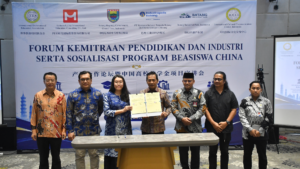
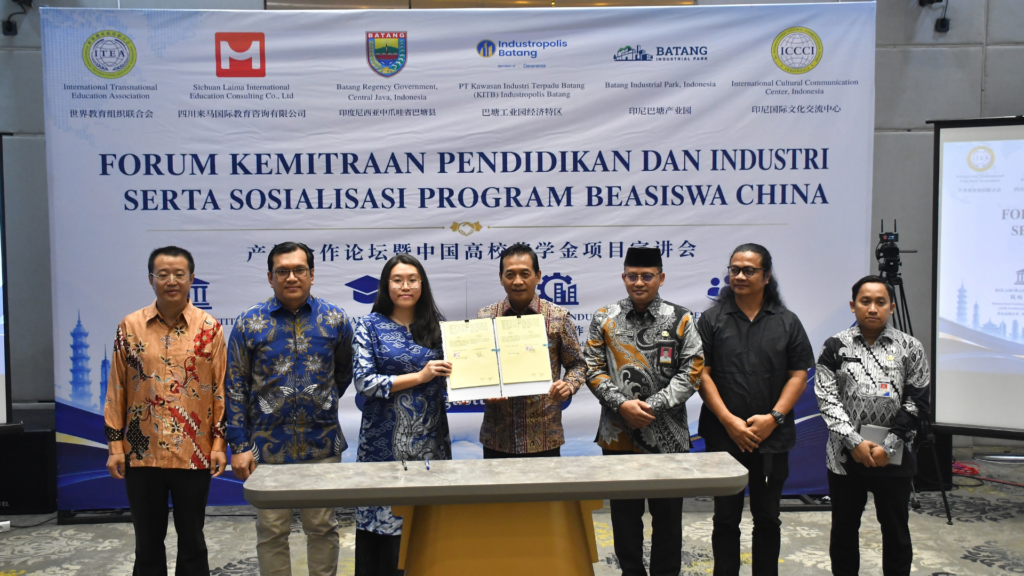
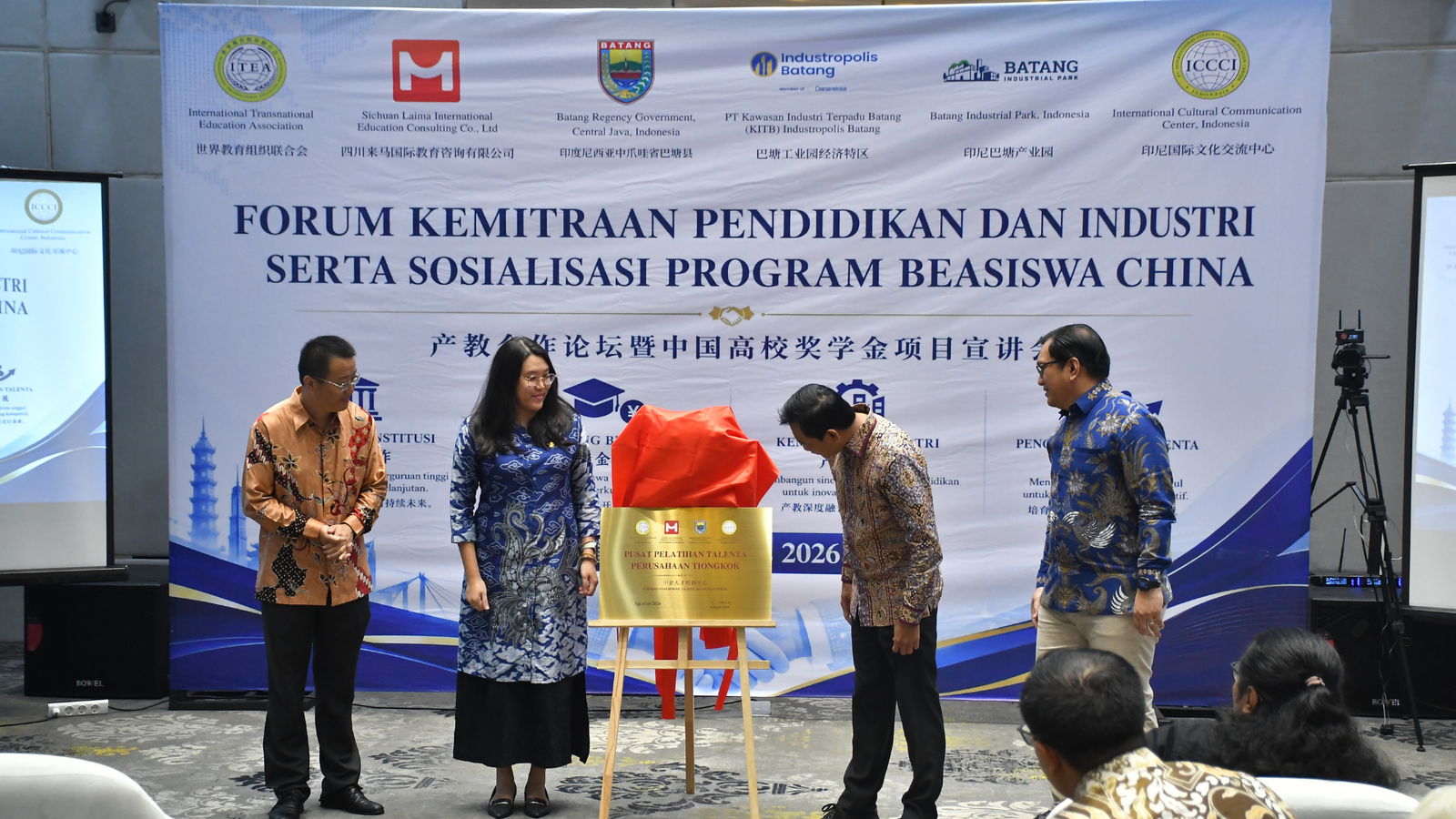
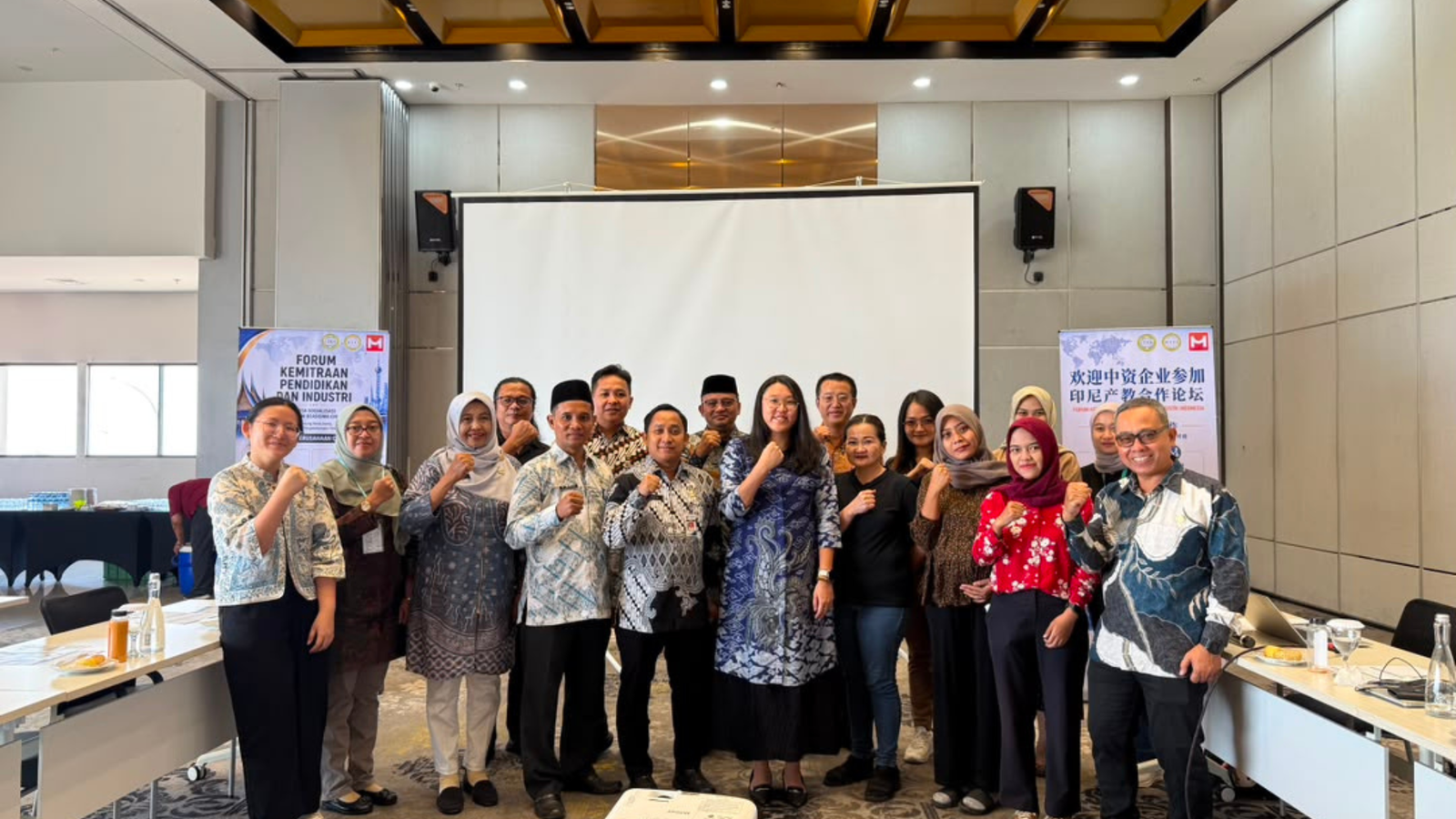
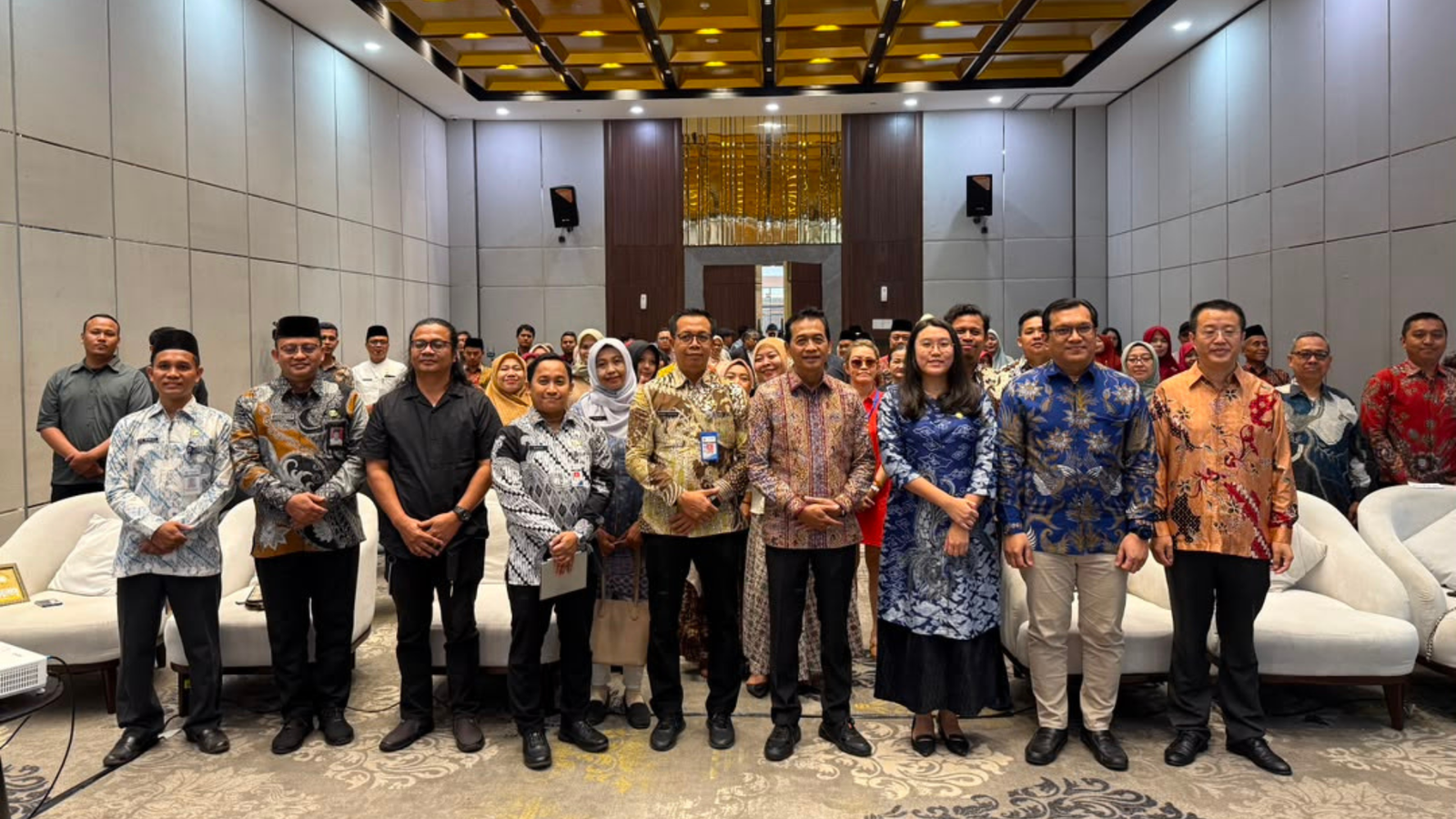
This statement was delivered by Suyono at the Education and Industry Partnership Forum and the Socialisation of the China Scholarship Programme at the Batang Integrated Industrial Area (KITB) Ballroom. The forum serves as a space for discussing educational opportunities for Batang residents as well as an effort to align graduate competencies with company needs.
For the initial stage, the Batang Regency Government plans to provide 30 scholarships for Batang residents in 2027 to study in China. Suyono said the program’s financing is planned to be covered by the regional government, including travel tickets and educational costs for participants.
“The Batang Regency government plans to provide 30 scholarships in 2027. Both the tickets and the funding will be covered by the Regency government,” he explained.
According to Suyono, the opportunity to study in China is not only aimed at obtaining a diploma, but also at preparing participants to face the work environment. A three to four year education period is considered to provide experience regarding the knowledge, culture, and discipline required by the industrial world.
“The culture, knowledge, and discipline will all be acquired later. Young people today want companies to adapt to them,” he said.
Through this programme, participants are expected to bring home the knowledge and experience gained during their time in China. This experience can then be applied to support the workforce needs of companies operating in Batang, including companies with investments from China.
Suyono said the program was an ITEA initiative with related partners to open access to education for the young generation of Batang Regency. “Later, when the students receive an education in China, this is a rare collaboration,” he said.
He considered this collaboration an opportunity to bring together education with the real needs of the growing industry in Batang. Industrial areas require workers with competencies that are not only in line with their education, but also have the ability to adapt.
Regarding the possibility of participants being tied to the company after completing their education, Suyono said the mechanism would still be further developed. He said the agreement could contain various provisions, including the possibility of an employment contract between participants and the company.
“Yes, of course, the collaboration will have various aspects. There will be work contracts, and there will be things that involve collaboration, and there will be a lot of things,” he said.
Meanwhile, ICCCM Managing Director Loo Hui Ann said the opportunities for educational cooperation with Chinese institutions are quite broad. The educational scheme offered can be customised from diploma to undergraduate level, based on the needs of participants and industry.
“We will optimise this collaboration, starting from the diploma level up to the bachelor’s level. We even have an additional option: a year of further Mandarin language study,” said Loo.
According to Loo, the one-year education option can be an alternative for participants who need to strengthen their Mandarin language skills. These language skills are considered important if the industry needs workers with relatively shorter preparation times.
Loo explained that China’s education system places a strong emphasis on vocational education and practical skills. This educational character is considered relevant to bridge the industry’s need for skilled workers.
“The learning system there is indeed more vocational. So, we hope this emphasis on skilled workers can bridge the gap between the government and the academic field,” she said.
The determination of educational programmes and higher education institutions will also take into account industry needs. With this scheme, participants from Batang can be directed to choose educational fields that are related to company needs.
“So, we need to meet the needs of how we provide skilled workers, not just the lower-level workers,” she said.
According to Loo, ITEA currently has partnerships with around 400 universities in China. This number opens up more diverse choices for participants based on their field of study and the needs of the industrial workforce.
“We currently have 400 partner universities in China. So I think it’s very diverse, and there’s no problem,” she said.
The party is also ready to help match participants’ choice of majors with the needs of the developing industry in Batang.
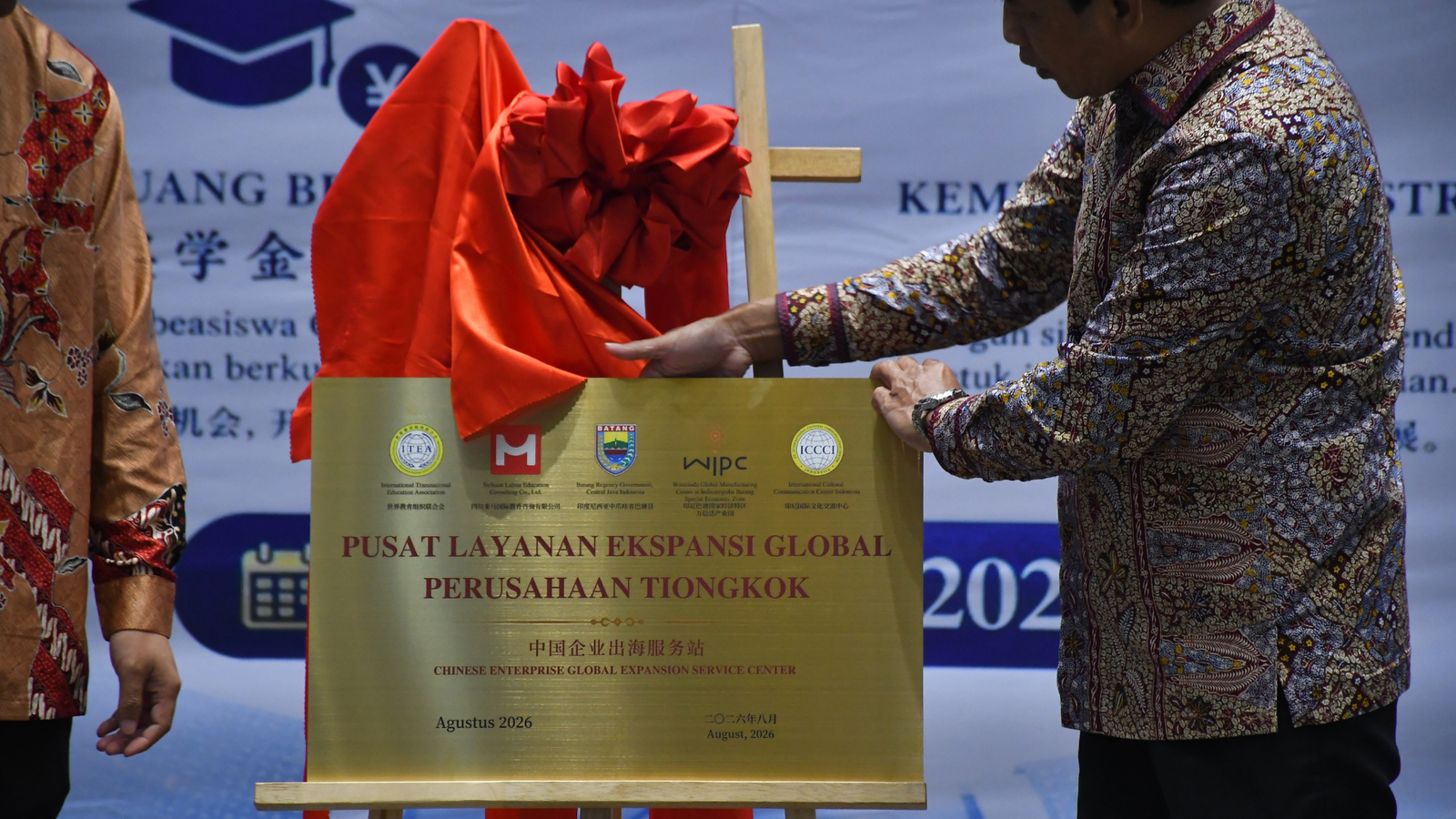
In addition to the scholarship programme, the collaboration includes the development of training centers and service centers as a liaison between government, education, and industry.
“In line with what we launched this morning, there are two programmes: a training center and a service center,” said Loo.
These two facilities are aimed at bridging the needs of human resource development with the needs of education and industry. For Batang, this educational collaboration with China is part of an effort to prepare local human resources amidst the growth of industrial areas.
If the scheme goes according to plan, 30 scholarship recipients in 2027 will be the initial stage in building a local workforce that is better prepared to meet industry needs.